
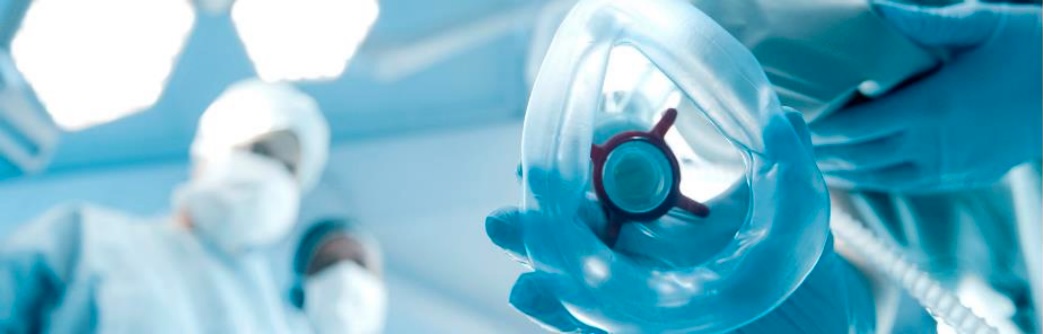
Anaesthetics are used in procedures such as egg collection and fertility surgeries to ensure the comfort and safety of the woman. There are several types of anaesthesia, namely:
| General anaesthesia | The recipient becomes totally unconscious and unaware. |
| Regional anaesthesia | A small area of the body is numbed and the recipient remains conscious. |
| Sedation | The recipient goes into a sleep-like state and becomes relaxed. |
The type of anaesthesia a patient receives depends on the type and length of procedure, and any existing medical conditions that a patient might have.
For procedures such as egg collection, generally, sedation is given as the length of procedure is short and recovery is quick. In sedation, you will not feel pain, be in a state of sleepiness but not lose consciousness completely. This way, you maintain your own physiological reflexes and is still capable of breathing on your own.
The role of the anaesthetist
Anaesthetists are doctors with specialised training in anaesthesia. They are responsible in giving you the anaesthetics, and monitor your safety and wellbeing during the procedure. Before the procedure, the anaesthetist will ask about your medical history and explain the type of anaesthesia used, the way it is given and the potential risks or side effects to you.
Questions you might be asked:
- If you have any existing medical condition? (History of high blood pressure, heart problems, thyroid problems, diabetes, asthma, history of reflux or heartburn)
- If there were any problems with anaesthesia in past operations.
- If you had any abnormal reactions to any drugs or known allergies.
- If you are currently taking any medications such as aspirin, non-steroidal anti-inflammatory agents, or other blood thinning drugs.
How to prepare on day of procedure
Before having anesthesia, you are required to fast overnight. As your body reflexes are temporarily stopped, fasting removes the risk of food or fluid from the stomach getting into your lungs and affecting breathing. The fasting period is usually at least 6 hours for food, and 2 hours for fluids. The doctors or nurses will advise you accordingly. If you feel unwell on the day of procedure, please call and inform your doctor.
After the procedure
After the procedure, you will be observed by the anaesthetist and staff nurse at the recovery bay to ensure you recover well. Once you are fully awake, you will be transferred back to your daycare room. You can return home when you feel better. Make sure there is someone to accompany you home. For the next 24 hours, do not drive, operate heavy machinery, or use dangerous tools and equipment.
Possible risks and complications from anaesthesia
Modern anaesthesia is very safe, however, there are still risks of side effects. While most are minor and resolve on its own, some can be serious and long term. If the condition worsens, please seek medical attention.
Side effects:
| Common | Feeling sick and vomiting, headache, dizziness, shivering, sore/dry throat, pain and bruising at injection sites |
| Less common | Awareness under anaesthesia, damage to the teeth/dental prosthesis, temporary damage to the voice, allergic reactions, damage to nerves. |
| Uncommon | Severe allergy causing heart failure, very high temperature, heart attack or stroke, paralysis, vomit in the lungs (causing pneumonia). |
