enquiry@alphaspecialists.com.sg
+65 6860 8888
Teleconsult
About
About Alpha
About Us
Panel Insurance
Corporate Health Arrangement
Our Team
Dr Yu Su Ling
Dr Chua Ka-Hee
Dr Lily Kho Chye Lee
Dr Timothy Lim Yong Kuei
Others
Latest Updates
Media / Press Release
Contact
Teleconsult
New
Get Started
Your First Visit
Fertility Assessment Guide
Counselling
Patient Education Materials
Frequently Asked Questions (FAQ)
Fertility Treatments
Ovulation Induction
IUI – Intrauterine Insemination
IVF – In-Vitro Fertilisation
ICSI – Intracytoplasmic Sperm Injection
PICSI – Physiological Intracytoplasmic Sperm Injection
IMSI – Intracytoplasmic Morphologically Selected Sperm Injection
Time-Lapse Culture System
Blastocyst Transfer Program
Embryo Cryopreservation
Artificial Intelligence-Embryo Selection
Fertility Surgery in Women
Surgical Sperm Retrieval
Centrifugation-Free Microfluidic Sperm Selection (Advanced Sperm Selection for IVF)
Elective Egg Freezing
New
Medical Egg Freezing
Laser Assisted Hatching
Women’s Health
Pregnancy/Obstetrics Care
Gynaecological Conditions
Hysteroscopy
Advanced Minimally Invasive Surgery (MIS)
Complex Pelvic Surgery
Gynae-Oncology
Management of Gynaecological Tumours
Gynaecological Cancer Surgery – Minimally Invasive
Fertility-Sparing Cancer Surgery
Colposcopy, LEEP or Laser Surgery
Cervical Cancer Screening & Prevention
Treatment of Vulvar Diseases
Success Rate
Packages
About
About Alpha
About Us
Panel Insurance
Corporate Health Arrangement
Our Team
Dr Yu Su Ling
Dr Chua Ka-Hee
Dr Lily Kho Chye Lee
Dr Timothy Lim Yong Kuei
Others
Latest Updates
Media / Press Release
Contact
Teleconsult
New
Get Started
Your First Visit
Fertility Assessment Guide
Counselling
Patient Education Materials
Frequently Asked Questions (FAQ)
Fertility Treatments
Ovulation Induction
IUI – Intrauterine Insemination
IVF – In-Vitro Fertilisation
ICSI – Intracytoplasmic Sperm Injection
PICSI – Physiological Intracytoplasmic Sperm Injection
IMSI – Intracytoplasmic Morphologically Selected Sperm Injection
Time-Lapse Culture System
Blastocyst Transfer Program
Embryo Cryopreservation
Artificial Intelligence-Embryo Selection
Fertility Surgery in Women
Surgical Sperm Retrieval
Centrifugation-Free Microfluidic Sperm Selection (Advanced Sperm Selection for IVF)
Elective Egg Freezing
New
Medical Egg Freezing
Laser Assisted Hatching
Women’s Health
Pregnancy/Obstetrics Care
Gynaecological Conditions
Hysteroscopy
Advanced Minimally Invasive Surgery (MIS)
Complex Pelvic Surgery
Gynae-Oncology
Management of Gynaecological Tumours
Gynaecological Cancer Surgery – Minimally Invasive
Fertility-Sparing Cancer Surgery
Colposcopy, LEEP or Laser Surgery
Cervical Cancer Screening & Prevention
Treatment of Vulvar Diseases
Success Rate
Packages
101 Irrawaddy Road, #12-07/14, Royal Square At Novena, Singapore 329565
enquiry@alphaspecialists.com.sg
+65 6860 8888
Contact
Teleconsult
Latest Updates
Home
Latest Updates
6
Dec
Understanding Female Fertility Cycle: From Follicle Maturation to Ovulation
read more
27
Nov
The Role of Nutrition in Fertility
read more
18
Nov
Affordable Elective Egg Freezing Programme
read more
1
Nov
How does a fertility specialist plan your IUI procedure?
read more
1
Nov
Choosing an IVF clinic that specialises in female infertility
read more
1
Nov
Welcoming Alpha IVF Centre Specialists: Expertise in Fertility and Gynaecology
read more
30
Sep
Advancements in Fertility Preservation: What’s New?
read more
26
Sep
Egg Freezing 101: What You Need to Know Before Starting
read more
21
Aug
Single vs. Double Embryo Transfers: Weighing the Options
read more
16
Aug
Fresh vs. Frozen Embryo Transfer: Understanding Your Options in IVF
read more
27
Jun
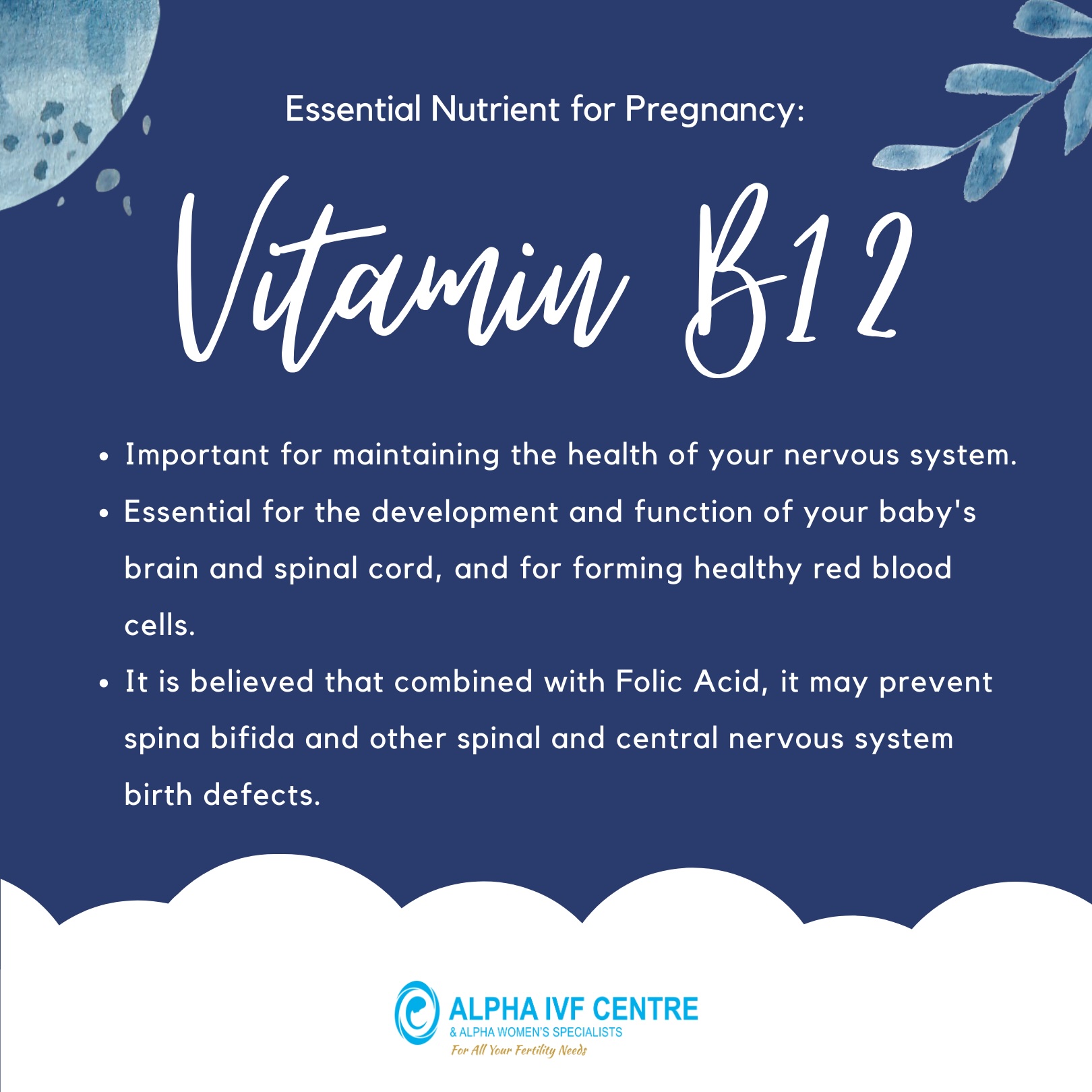
Essential Nutrient for Pregnancy: Vitamin B12
read more
19
Jun
Why is iron important during pregnancy?
read more
Prev
1
…
5
6
7
…
12
Next