
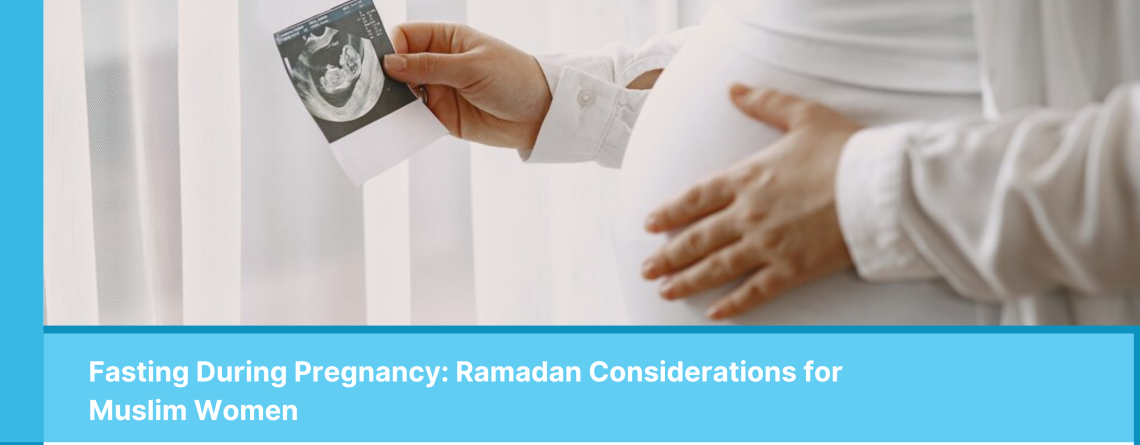
Ramadan is a sacred month in the Islamic calendar, observed through fasting, prayer, and spiritual reflection. For pregnant Muslim women, this time of devotion may present unique challenges as they weigh religious obligations against the well-being of themselves and their unborn child.
Islam offers guidance and compassion in such circumstances. The Quran exempts those who are ill or at risk of harm from fasting, including pregnant women. This allowance reflects Islam’s prioritisation of health and safety, acknowledging the physical strain of pregnancy and the importance of protecting both mother and baby.
What Does Islam Say About Fasting While Pregnant?
Islamic jurisprudence recognises pregnancy as a valid reason to postpone fasting. If a pregnant woman fears that fasting may harm her health or the baby’s, she is permitted to delay her fasts and either make them up later or, in some schools of thought, provide fidyah (feeding the poor), depending on the situation.
This compassionate exemption aligns with verses in the Quran that encourage ease in religious practice and discourage self-harm. Scholars across various Islamic traditions support the position that preserving life takes precedence over fasting.
Is It Safe to Fast During Pregnancy?
From a medical perspective, the impact of fasting during pregnancy depends on several factors, including the trimester, maternal health, and access to adequate nutrition and hydration during non-fasting hours.
Dehydration, particularly during warmer months, can reduce amniotic fluid levels and increase the risk of preterm labour. Low-calorie intake may affect fetal growth, especially in women with low BMI or those carrying multiple pregnancies.
However, research findings have been varied. A Singapore-based study by J. Joosoph in 2018 involving 125 Muslim women found that most who chose to fast during pregnancy did not experience adverse health outcomes. Many participants received support from their families and maintained a positive attitude, helping them manage the demands of fasting.
Although these findings are encouraging, they are not universal. Each pregnancy is different, and risks must be assessed individually.
Why Medical Advice Is Essential
Before deciding to fast, pregnant women are strongly advised to consult a healthcare provider. A comprehensive assessment should consider:
- The stage of pregnancy – especially the first and third trimesters
- Pre-existing conditions – such as diabetes, anaemia, or hypertension
- Fetal development and previous pregnancy history
Doctors may conduct weight checks, blood pressure monitoring, and urine tests to evaluate whether fasting is safe. In cases of high risk, fasting may be discouraged altogether. For low-risk pregnancies, fasting may be possible with proper planning.
How to Fast Safely During Ramadan
For those who choose to fast during pregnancy, planning becomes essential. Both Suhoor (pre-dawn meal) and Iftar (meal to break the fast) must provide adequate energy, hydration, and nutrients to support maternal and fetal health.
Key recommendations include:
- Balanced meals: Ensure each meal includes complex carbohydrates, proteins, healthy fats, and fibre.
- Hydration: Drink sufficient fluids between Iftar and Suhoor to prevent dehydration. Water should be prioritised over caffeinated or sugary beverages.
- Avoid long gaps without rest, particularly in the afternoon when energy levels may decline.
- Take prenatal vitamins as advised, especially iron and folic acid, to maintain essential nutrient levels.
- Smaller, frequent portions during non-fasting hours can help maintain blood sugar and energy levels without overwhelming the digestive system.
Warning Signs to Watch For
Even with careful planning, pregnant women who fast should remain vigilant about their health. If any of the following symptoms occur, they should break their fast and seek medical advice:
- Persistent dizziness or fainting
- Headaches that do not improve
- Unusual fatigue or breathlessness
- Painful contractions or cramps
- Decreased fetal movement
- Signs of dehydration, such as dark urine or dry mouth
The health of both mother and child is the top priority. Islamic teachings support the decision to break the fast in such circumstances.
Role of Family and Community
Support from family members and the wider community can help women navigate fasting during pregnancy. Husbands, parents, and caregivers can assist by reducing household burdens and ensuring nutritious meals are prepared.
Religious leaders and healthcare professionals can also offer valuable guidance, helping women balance spiritual commitments with evidence-based medical care.
Community clinics and mosques may organise educational sessions during Ramadan to raise awareness about safe fasting practices, maternal nutrition, and alternatives for those unable to fast.
Ramadan, Fertility, and IVF Treatment
For women undergoing fertility treatment, such as in vitro fertilisation (IVF), Ramadan may coincide with sensitive phases of the reproductive journey. Managing fertility medications, appointments, and emotional stress alongside fasting can be complex.
Women planning for pregnancy or currently undergoing IVF are encouraged to speak with fertility specialists before the holy month begins. Adjustments to treatment cycles, medication timing, and dietary intake may be necessary.
At the top IVF center in Singapore, Alpha IVF Centre provides integrated care that supports religious practices while ensuring the highest standard of medical attention. Their multidisciplinary approach includes culturally sensitive counselling and tailored treatment planning for Muslim patients.
Making Informed Decisions
Each woman’s experience with pregnancy and Ramadan is deeply personal. For some, fasting may be manageable with support and careful monitoring. For others, it may pose risks that outweigh the spiritual benefits.
What’s important is that the decision is made from a place of knowledge, safety, and faith. Open discussions with doctors, religious advisors, and family members can help clarify what is best for each individual situation.
Islam encourages believers to act with wisdom and compassion, especially when health is at stake. Pregnant women who choose to delay fasting are not compromising their faith—instead, they are honouring it by safeguarding the trust of motherhood.
Meet Our Fertility Specialists

Clinical Governance Officer,
Consultant Obstetrician & Gynaecologist, Fertility Specialist
MBBS (Singapore), M Med (O&G, Singapore), MRCOG (UK), FRCOG (UK), FAMS (Singapore)







Leave a Reply
You must be logged in to post a comment.