

Planning to start a family? Whether you’re just beginning to think about parenthood, or you’ve been trying for a while, couple fertility screening can offer valuable insight into your reproductive health. In Singapore, more couples are choosing to begin their fertility journey with a comprehensive assessment. Fertility screening helps identify potential issues early, giving you a clearer picture of your reproductive health and more options to plan around. This guide walks through what you need to know about couple fertility screening in Singapore: when to consider it, what it involves, and what happens next.
When Should You Consider Fertility Screening?
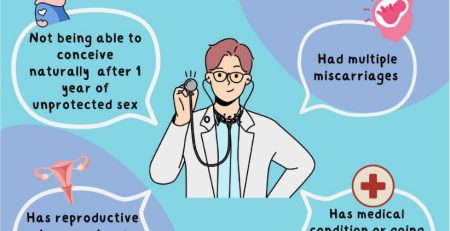
Fertility specialists in Singapore generally recommend testing at different points, depending on your age and situation. If the female partner is under 35, testing is usually suggested after 12 months of trying without success. If she’s 35 or older, that window shortens to 6 months, since fertility naturally declines with age. Couples planning to start a family later in life may choose proactive screening simply for peace of mind, and those with known medical conditions or irregular menstrual cycles are often encouraged to test as early as possible.
| Situation | Recommended Timing |
|---|---|
| Female partner under 35 | After 12 months of trying without success |
| Female partner 35 or older | After 6 months of trying without success |
| Planning to start a family later | Proactive screening for peace of mind |
| Known medical conditions | As early as possible |
| Irregular menstrual cycles | Soon to check for underlying issues |
Importantly, you don’t have to wait until you’re facing problems. Early screening helps you plan ahead and take action sooner if needed.
What Does Couple Fertility Screening Include?
A couple fertility screening in Singapore typically involves testing both partners, since fertility issues can originate from either side.
For Women
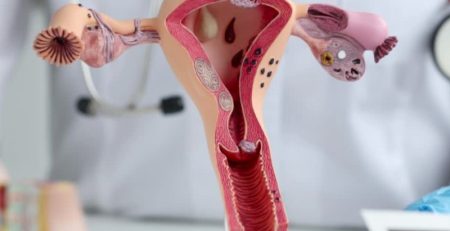
For women, a fertility assessment usually includes an AMH (Anti-Müllerian Hormone) blood test, which gives an indication of ovarian reserve, essentially how many eggs remain. Hormone blood tests covering FSH, LH, oestrogen and progesterone help assess ovulation health, while thyroid function tests (TSH and related hormones) check for thyroid imbalances that can disrupt ovulation. An ultrasound scan rounds out the assessment, looking at the ovaries, follicles, uterine lining, and any fibroids or cysts.
For Men
For men, screening starts with a semen analysis, which looks at sperm count, motility (how well the sperm move) and morphology (their shape). Depending on the findings, doctors may suggest advanced sperm function tests as an add-on, such as DNA fragmentation or oxidative stress testing, for a more detailed picture.
Testing both partners, rather than just one, means neither side is ruled out too early. Whether the underlying issue turns out to be a hormonal imbalance, an ovulation problem, or a sperm quality concern, it’s easier to spot when both partners are assessed together.
Why Early Fertility Screening Matters in Singapore
Testing early has benefits well beyond simply confirming there’s an issue. It can catch potential concerns before they become harder to treat, and it offers real reassurance for couples trying to conceive, even when everything turns out to be fine. Early screening also gives your doctor more time to walk through the options that suit your situation, rather than deciding under time pressure, and it helps avoid unnecessary delays if assisted reproductive treatments end up being part of the path forward.
What to Expect During the Testing Process
Fertility testing in Singapore is generally straightforward and largely non-invasive, so most people find the process more manageable than they expect.
It typically starts with an initial consultation, where your doctor discusses your medical history, lifestyle factors and family background. From there, testing follows. For women, this usually means blood tests timed to specific days of your cycle, along with an ultrasound scan. For men, it means a semen sample, collected after a short period of abstinence, usually between 2 and 5 days. Once results are in, you’ll go through a results review with your specialist, who will explain what the findings mean and talk through possible next steps together.
The process itself is simple and involves no downtime. You can generally return to your normal activities right after.
What Happens After Fertility Screening?
The results of a fertility test aren’t the end of the journey. They’re really the beginning of it. Depending on what the screening finds, your doctor might suggest a few different paths forward. Sometimes it’s lifestyle changes, like adjusting your diet, building in more exercise, or quitting smoking. In other cases, medication or hormone treatment may help regulate ovulation or improve sperm production, and some couples benefit from minimally invasive procedures to remove fibroids or polyps. If needed, assisted reproductive techniques such as IUI or IVF may also be part of the conversation.
If your results come back without any clear abnormalities, this is known as unexplained infertility. Even without an identifiable cause, doctors can often still recommend effective treatment options, so this outcome isn’t the dead end it might feel like.
Frequently Asked Questions
Is fertility screening painful?
Most fertility tests are non-invasive or only mildly invasive. Semen collection doesn’t involve any discomfort, and blood tests typically involve nothing more than a brief pinch.
Can I do fertility testing if I’m single?
Yes. Many people choose fertility testing to understand their reproductive health ahead of marriage or family planning, not just once they’re trying to conceive.
Do I need to prepare for a fertility test?
Your healthcare professional will advise on specific preparations, such as fasting before blood tests or timing certain tests around your menstrual cycle.
Can fertility issues exist even if I have regular periods?
Yes. Plenty of people with regular cycles and no obvious symptoms can still face fertility issues, which is exactly why screening is worthwhile even when everything seems normal.
Take the First Step Towards Your Family Planning
Couple fertility screening gives you the information to make informed decisions about your reproductive health. Whether you’re just starting to plan or working through challenges, early testing helps you take a more active role in your journey.
If you’re ready to learn more about your fertility health, our team at Alpha IVF Singapore can guide you through the screening process and help you think through next steps.
Disclaimer: This article is for informational purposes only and does not constitute medical advice. Please consult a qualified fertility specialist for advice specific to your situation.

Medically Reviewed By: Dr Yu Su Ling, Consultant Obstetrician & Gynaecologist and Fertility Specialist at Alpha IVF & Women's Specialists Centre, where she also serves as Clinical Governance Officer. Dr Yu specialises in IVF, infertility, gynaecological endocrinology, and menopause management. Her research interests include intrafallopian tube catheterisation, growth hormone augmentation in IVF, and ovarian tissue transplantation.





Leave a Reply
You must be logged in to post a comment.