

Azoospermia is a medical condition characterised by the complete absence of sperm in a man’s ejaculate. Though it affects just 1% of men globally, it is one of the most severe forms of male infertility. The diagnosis can come as a surprise especially for couples who have been trying to conceive without success but it does not necessarily mean fatherhood is out of reach. Understanding the type and underlying cause of azoospermia is crucial for guiding the appropriate treatment pathway.
Types of Azoospermia
Azoospermia is broadly divided into two categories:
1. Obstructive Azoospermia (OA)
In obstructive azoospermia, sperm production within the testes is typically normal. However, a physical blockage or anatomical issue prevents sperm from being released into the semen. The obstruction can occur in various parts of the male reproductive tract such as the vas deferens, epididymis or ejaculatory ducts.
Common causes include:
- Prior vasectomy
- Congenital absence of the vas deferens (linked with cystic fibrosis gene mutations)
- Infections or inflammation causing scarring
- Injury or previous pelvic surgery
2. Non-Obstructive Azoospermia (NOA)
In contrast, non obstructive azoospermia results from impaired or absent sperm production in the testes. This type is generally more complex to treat and may indicate underlying testicular failure.
Causes may include:
- Genetic abnormalities (e.g. Klinefelter syndrome, Y chromosome microdeletions)
- Hormonal imbalances (e.g. low testosterone, pituitary dysfunction)
- Previous chemotherapy or radiotherapy
- Undescended testicles (cryptorchidism)
- Severe varicoceles
Understanding the distinction between these two types is vital, as the treatment strategies differ considerably.
Diagnosing the Cause: What to Expect
Azoospermia is usually first detected during a semen analysis, often after couples present with unexplained infertility. When no sperm are found in the sample even after centrifugation and repeated testing a more in depth evaluation is necessary.
Diagnosis typically involves the following:
1. Detailed Medical History
A fertility specialist will take a comprehensive history covering:
- Pubertal development
- Past infections or trauma
- Surgeries, especially vasectomy or hernia repair
- Medications and exposure to toxins
- Family history of infertility or genetic conditions
2. Physical Examination
This includes examination of the testicles for size, consistency, and the presence of abnormalities such as varicoceles. Absence of the vas deferens may also be noted on palpation.
3. Hormonal Tests
Blood tests to measure FSH (follicle-stimulating hormone), LH (luteinising hormone), testosterone, and prolactin can give insights into testicular function and pituitary activity.
- Elevated FSH often points to testicular failure.
- Low testosterone and LH may suggest hormonal (hypogonadotropic) causes.
4. Genetic Testing
Recommended for men with non obstructive azoospermia, genetic screening may reveal:
- Karyotype abnormalities (e.g. Klinefelter syndrome)
- Y chromosome microdeletions
- CFTR gene mutations (linked to congenital absence of the vas deferens)
5. Ultrasound Scanning
Scrotal and transrectal ultrasound may help identify blockages, cysts, or absence of structures. They also help detect varicoceles and testicular lesions.
6. Testicular Biopsy or Sperm Mapping
A biopsy involves obtaining a small sample of testicular tissue to assess the presence of sperm. It can distinguish between obstructive and non-obstructive causes and may help retrieve sperm for IVF-ICSI.
In some centres, a less invasive technique called “fine-needle aspiration mapping” is used to evaluate areas of active sperm production before surgery.
Why Identifying the Cause Matters
Understanding the cause of azoospermia is critical because it dictates the next steps. In obstructive azoospermia, sperm retrieval is usually straightforward and prognosis for conception is good. For non obstructive cases, sperm retrieval is more challenging and outcomes can vary significantly depending on the extent of testicular dysfunction.
What Are the Treatment Options?
Surgical Sperm Retrieval
For both OA and NOA, surgical sperm retrieval is the mainstay of treatment when natural ejaculation does not yield sperm. The retrieved sperm can be used in Intracytoplasmic Sperm Injection (ICSI), a form of IVF where a single sperm is injected into an egg.
Retrieval techniques include:
- PESA (Percutaneous Epididymal Sperm Aspiration) – for OA
- TESA (Testicular Sperm Aspiration) – for NOA
- TESE (Testicular Sperm Extraction) – open surgical approach
- Micro-TESE (Microsurgical TESE) – advanced approach using a microscope to identify sperm-producing tubules, often used in NOA
Success rates for sperm retrieval in obstructive azoospermia are high often over 90%. In non obstructive cases, success ranges from 30–60%, depending on factors like age, hormone levels, and testicular health.
Hormonal Therapy
In rare cases of hormonal imbalance (e.g. low FSH/LH), treatment with gonadotrophins may stimulate sperm production. However, this is only effective for select cases of secondary hypogonadism.
Genetic Counselling
Men diagnosed with genetic abnormalities are advised to undergo genetic counselling, especially if assisted reproduction is planned, to understand the implications for offspring.
Donor Sperm or Adoption
If no sperm can be retrieved after repeated attempts, or if the couple prefers to avoid surgical procedures, alternative options include the use of donor sperm or adoption.
Emotional and Psychological Support
A diagnosis of azoospermia can be emotionally overwhelming. Men may experience feelings of inadequacy, stress, or grief—especially when faced with the possibility of needing donor sperm. Psychological counselling or support groups can be helpful in navigating these emotions.
When to Seek Help
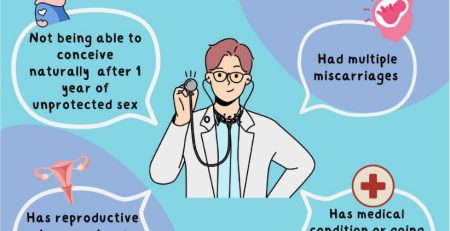
If you and your partner have been trying to conceive for over a year without success, or if a semen analysis shows zero sperm count, it’s advisable to consult a male fertility specialist. Early assessment can identify reversible causes and increase your chances of biological fatherhood through appropriate treatment strategies.
Take the Next Step: Speak to a Fertility Expert
Azoospermia may be a complex diagnosis, but advancements in reproductive medicine offer many hopeful options. From surgical sperm retrieval to IVF-ICSI and beyond, there are ways forward for many men.
Consult with our specialists to begin a detailed assessment and explore personalised fertility care designed around your needs.








Leave a Reply
You must be logged in to post a comment.