

If you’re a single woman in your 20s or early 30s in Singapore, thinking about egg freezing can feel both empowering and overwhelming. You might be focused on your career, haven’t met the right partner yet, or simply want to keep your future options open. Whatever your reason, wanting to understand your fertility is a natural part of life planning.
Egg freezing is not about rushing life decisions. For many women, it is about understanding their bodies, preserving possibilities, and reducing the pressure that comes with time.
This guide looks at egg freezing from both a medical and personal perspective, including the emotional, practical, and regulatory considerations for single women in Singapore.
Understanding the Timing
Biologically, fertility changes with age. In general, both the number and quality of eggs gradually decline over time, especially after the mid-30s. This is why many doctors say that egg freezing tends to be more effective when done earlier rather than later.
Freezing eggs at a younger age may mean:
- A higher chance that the eggs are genetically normal
- Better response to stimulation medication
- Potentially fewer cycles needed to store a reasonable number of eggs
For many women, the decision is not about fear of “running out of time,” but about preserving today’s fertility for tomorrow, whatever that future may look like.
The Emotional and Social Side
Beyond the medical side, many women think about how egg freezing fits into their personal lives.
Some common thoughts include:
- “Will people judge me?”
- “How do I explain this to my family?”
- “What if I never use the eggs?”
There is no single right answer. Some women choose to share openly, while others keep it private. Many frame it as a form of preventive healthcare or long-term planning. And if the eggs are never used, many still feel reassured knowing the option exists.
Egg freezing is a personal decision. You get to decide what it means for you, and who, if anyone, needs to know.
What the Process Usually Looks Like
While every clinic and patient is different, the egg freezing process in Singapore often includes several key steps.
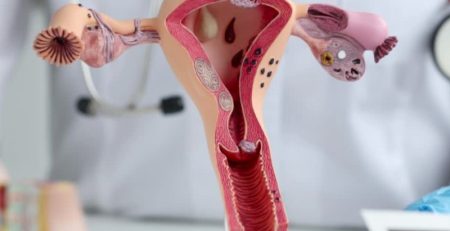
It usually begins with a consultation, where your doctor reviews your medical history and may arrange tests such as hormone blood tests and ultrasound scans. One commonly discussed test is anti-Müllerian hormone (AMH), which gives an estimate of ovarian reserve.
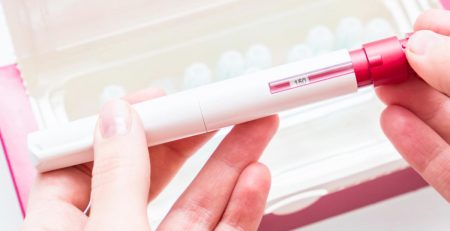
If you proceed, you will take hormone injections for around 10 to 12 days to stimulate your ovaries. These are usually self-administered with small needles, and nurses will teach you how to do them safely. During this period, you will visit the clinic for short monitoring scans.
When the eggs are ready, egg retrieval is done as a day procedure under sedation. Most women go home the same day and rest for one or two days before returning to normal activities.
The collected eggs are then frozen using a rapid-freezing method and stored securely in the laboratory.
Many women go through this process on their own. Clinics are used to supporting patients who attend appointments solo, and confidentiality is a standard part of medical care.
Costs and Practical Planning
For many women, the cost is one of the biggest questions and often one of the hardest to talk about.
Egg freezing in Singapore is usually a significant financial decision. One cycle typically includes your consultations, scans, medications, the egg retrieval procedure, and the first year of storage. The exact amount varies from person to person, depending on how your body responds and how much medication you need.
It’s also important to know that elective or “social” egg freezing is not covered by Medisave and does not receive government subsidies. Medisave is mainly used for treatments like IVF, not for freezing eggs for future use. If egg freezing is done for a medical reason, such as before cancer treatment, Medisave may be considered under certain conditions.
Some women plan for this by setting aside savings, spreading payments over time, or treating it like any other big life investment, just like further studies, buying a car or a house.
Egg Freezing in Singapore: What You Should Know
Singapore has specific guidelines around egg freezing.
Single women can freeze eggs up to a certain age limit. To use the eggs later for pregnancy treatment, current regulations generally require that the woman is legally married at the time of use. There are also time limits on how long eggs can be stored, with possible extensions under certain conditions.
Because policies may change, it’s important to confirm the latest rules with your doctor.
Egg freezing is sometimes described as an “insurance,” but it is not a guarantee. It does not remove the need for a partner or future fertility treatment, but for some women, it reduces the biological pressure around timing.
Is Egg Freezing Right for You?
There is no checklist that fits everyone, but some women consider egg freezing if they:
- Are in their mid-20s to mid-30s
- Want to focus on career, studies, or personal goals
- Have not yet found a suitable partner
- Have a family history of early menopause
- Want to reduce anxiety about future fertility
- Are comfortable with the financial and medical commitment
A consultation helps you understand whether this option suits your body, your life plans, and your expectations.
Taking the First Step
For many women, the hardest part is not the injections or the procedure, but starting the conversation.It’s the moment you sit with the question: Should I find out more? That first step often feels bigger than everything that comes after.
A consultation doesn’t mean you have to decide anything. It’s simply a chance to talk, to listen, and to understand your own body better. It’s a space where you can learn about your fertility, explore what options exist for you, ask questions openly, and take time to think without pressure.
In Singapore, women between 21 and 38 years old are currently eligible to freeze their eggs. But eligibility is only one part of the story. What matters more is how you feel about your timing and what your life goals are.
Egg freezing is not about forcing a future to happen. It’s about giving yourself more choices, more time, and a deeper understanding of your own body, so that whatever path you take, it’s one that feels right for you.
Important Note
This article is for general educational purposes only and does not replace a medical consultation. Fertility testing, treatment options, and outcomes vary between individuals and should always be discussed with a qualified doctor.







Leave a Reply
You must be logged in to post a comment.